Meet Our Influential Artists
At the Original Art gallery, each artist brings a different style, blending worldwide culture with fresh perspectives. Each art piece tells our stories. Determine the central themes of the artistic storyline—growth, resilience, innovation, understanding, etc. These themes align with the overarching vision and cultural essence we intend to convey.


Our Story
Our Vision
We aim to share heartfelt artwork that reflects artists' passion and connection to the world. The cultural roots and influences of our artists are profound and multifaceted, encompassing historical legacies, philosophical insight, and deep connections. These elements not only shape the artistic expressions of individuals but also contribute to the broader tapestry of artworks and their evolution in the global context.
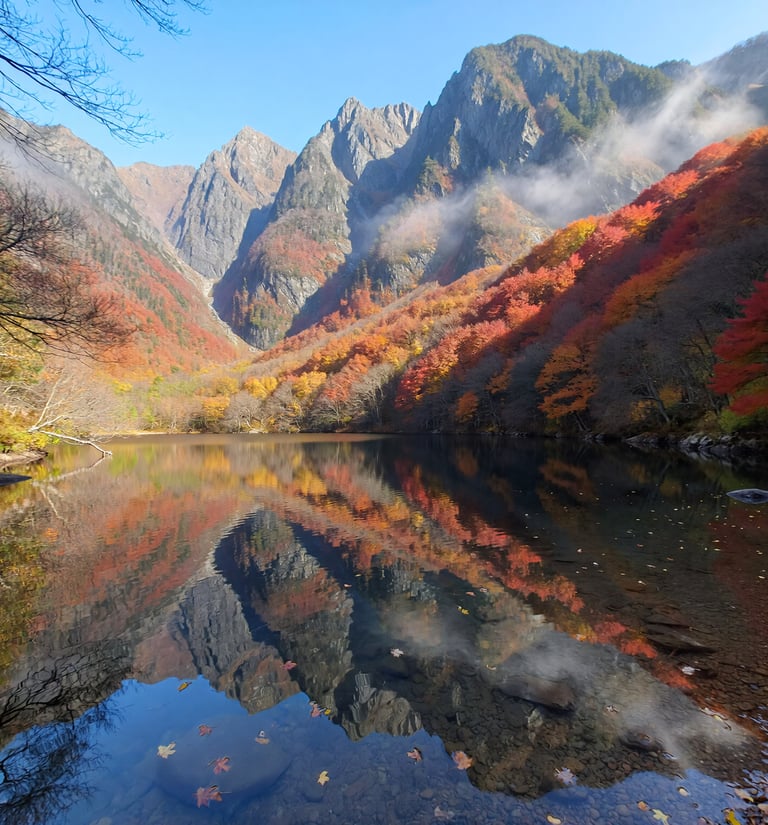

Water Ink of Landscapes
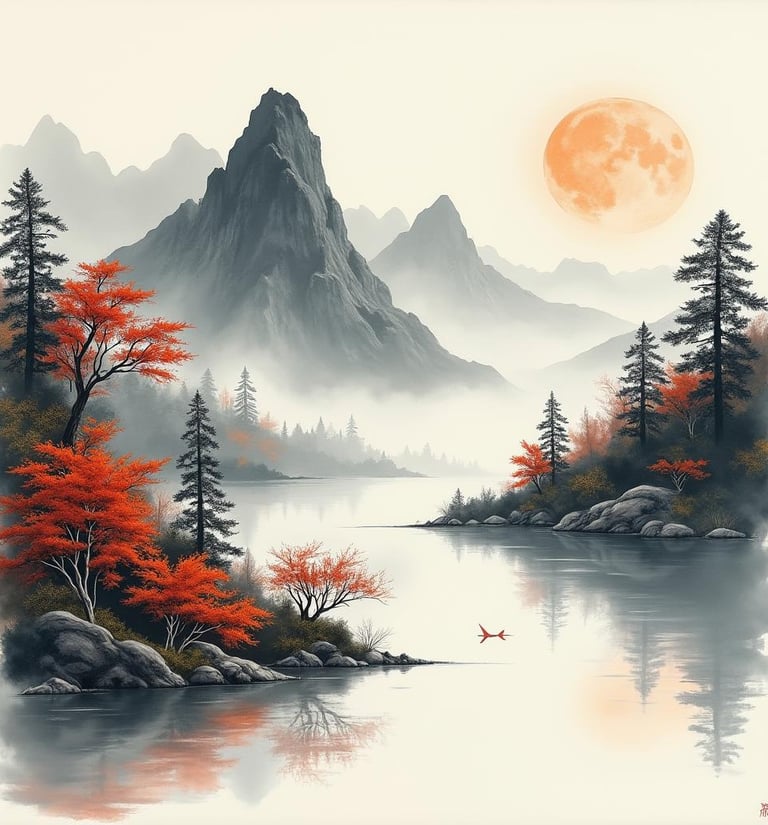
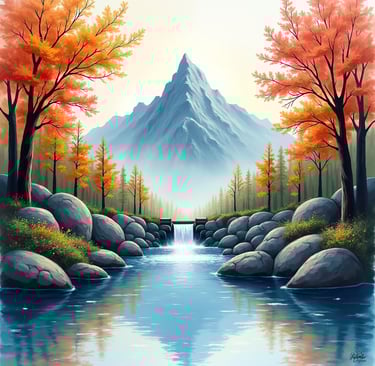
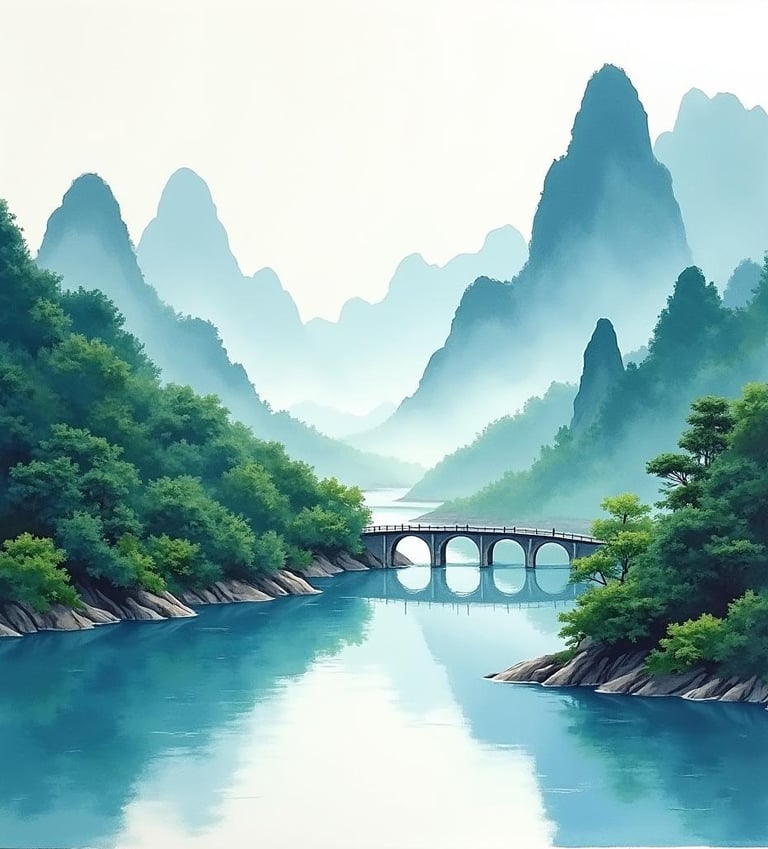
Water ink painting, a traditional form of expression primarily rooted in East Asian art, captivates viewers with its fluidity and emotive influence. This technique, characterized by the use of water-based inks and brushes on paper or silk, allows artists to create landscapes that are not only visually stunning but also imbued with a sense of harmony and tranquility. One of the most distinguishing features of water ink landscapes is their aesthetic simplicity. These works often highlight the beauty of nature through minimalistic compositions, where negative space plays a critical role. The use of soft, flowing lines and delicate washes creates a sense of atmosphere and movement, allowing landscapes to breathe.
Mountains, rivers, and trees are depicted with a few strokes, yet they convey a profound connection to the natural world. This economy of detail encourages viewers to engage with the art on a deeper level, inviting personal interpretation and emotional resonance. The medium of water ink offers a unique interplay between control and spontaneity. This practice develops a dialogue between artist and medium, as the ink flows and blends with water to form unpredictable patterns.
The artist-Mr. Forrest Yw in my family fluently used varying brush techniques, adjusting the pressure and angle to produce different textures and effects, and painted excellent water ink art pieces with beautiful landscapes. He was also a philosophical thinker and a great educator.
Embroidery Art
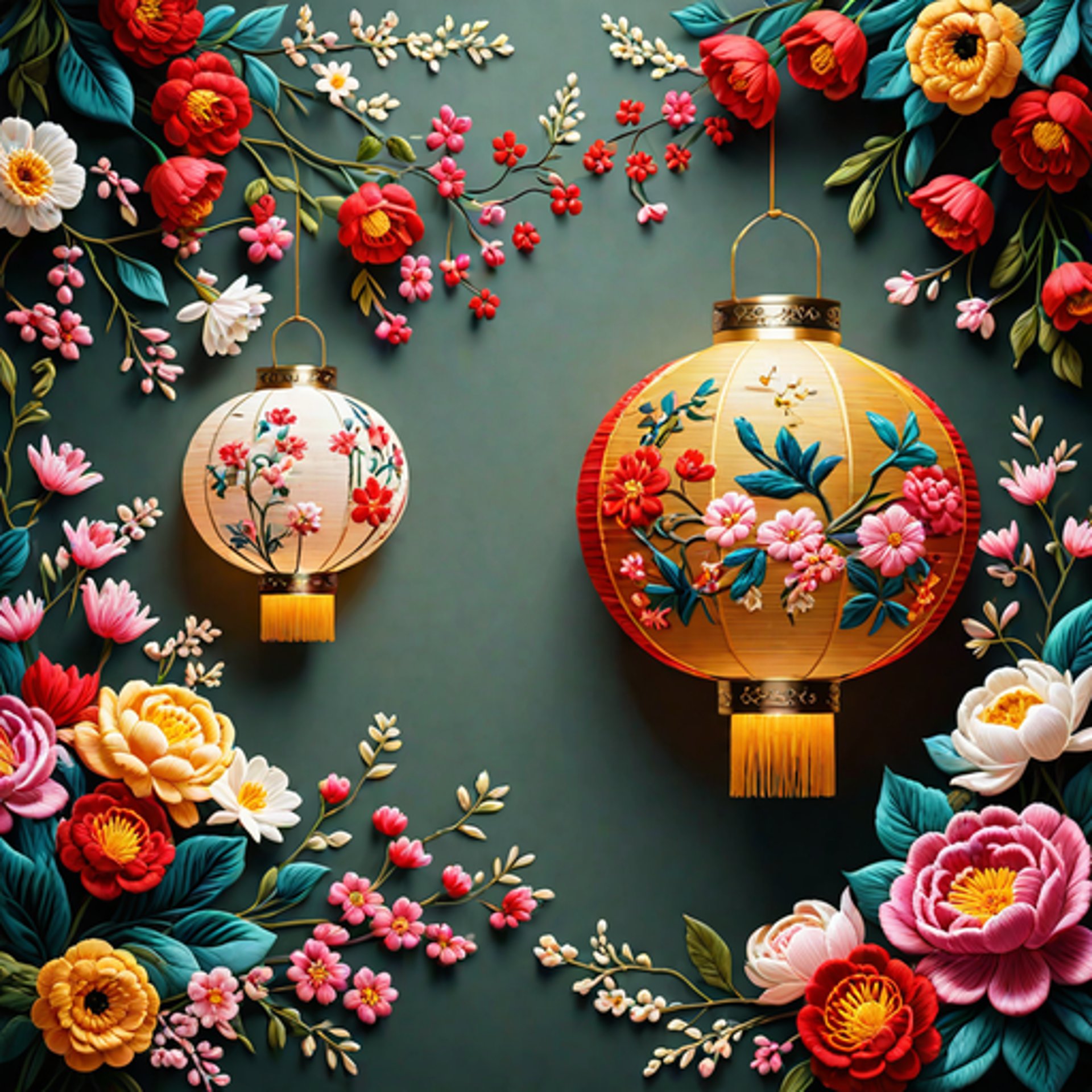
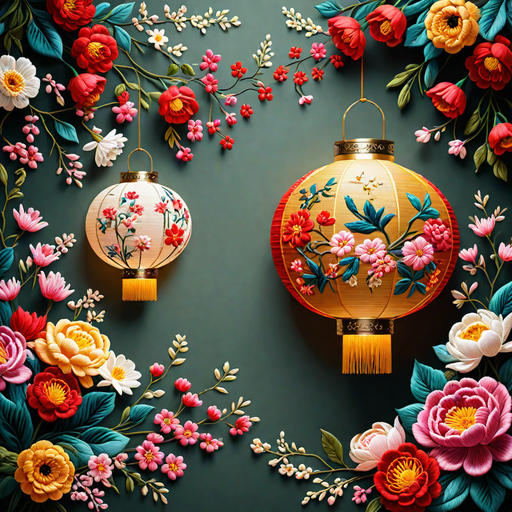
Celebrating cultural heritage through delicate stitches inspired by nature’s beauty and timeless designs. Eastern embroidery design is a captivating art form that beautifully intertwines intricate craftsmanship with rich cultural narratives. Such embroidery art reflects the diverse traditions, artistic taste, and aesthetic values of Oriental culture.
At the heart of Eastern embroidery lies an emphasis on symbolism. Each stitch and motif carries profound meanings, often rooted in centuries of Eastern traditions. For instance, in Chinese embroidery, the phoenix represents rebirth and harmony. Flowers such as lotus and peony are often depicted, embodying purity, prosperity, and beauty.
Ms. Flora Lx in my family, used silk threads to create striking visual effects that mimic the beauty of nature. These techniques not only showcased the artisans' dexterity but also emphasized the cultural significance of the craft.
150+
15
Loved Worldwide
Elegance in Every Movement
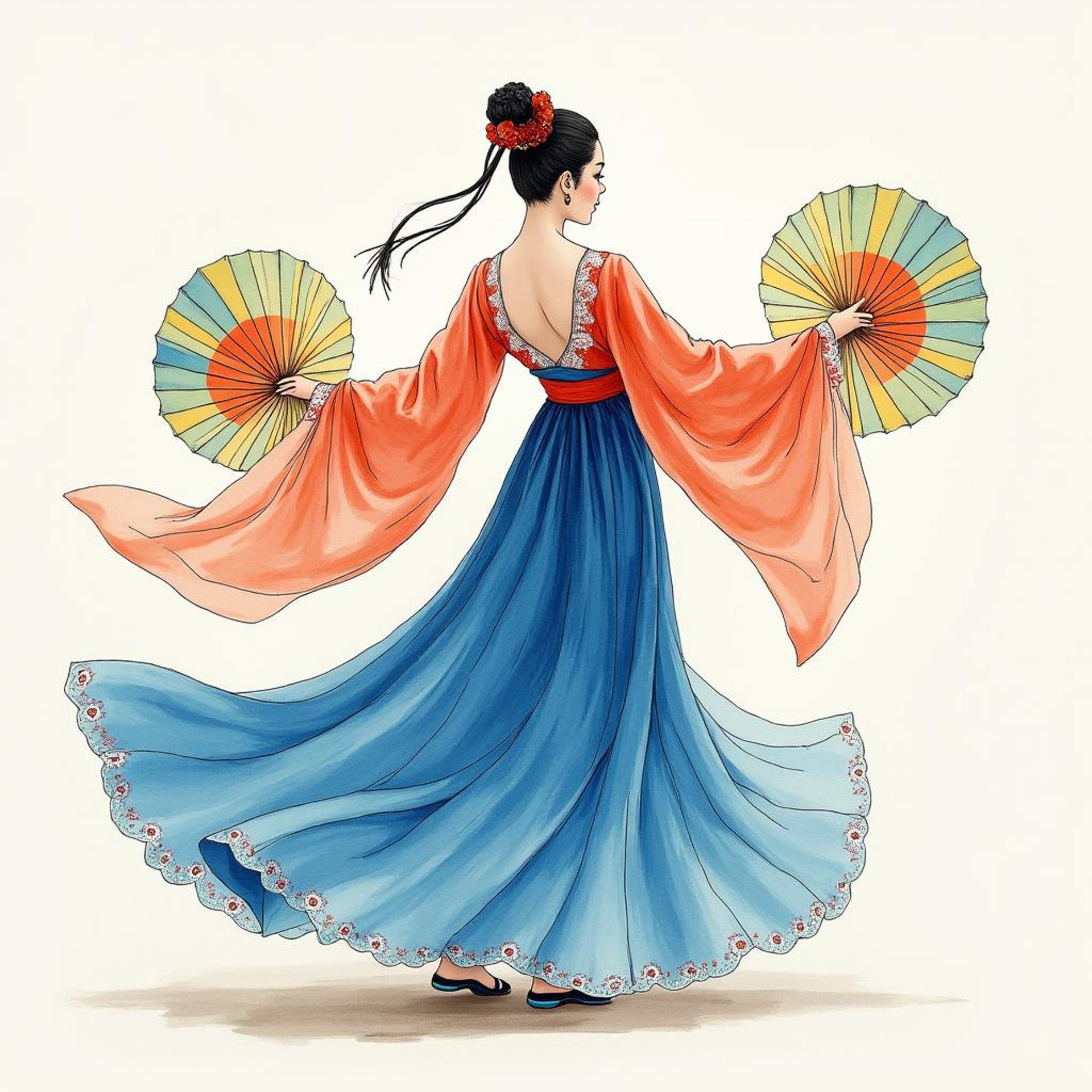
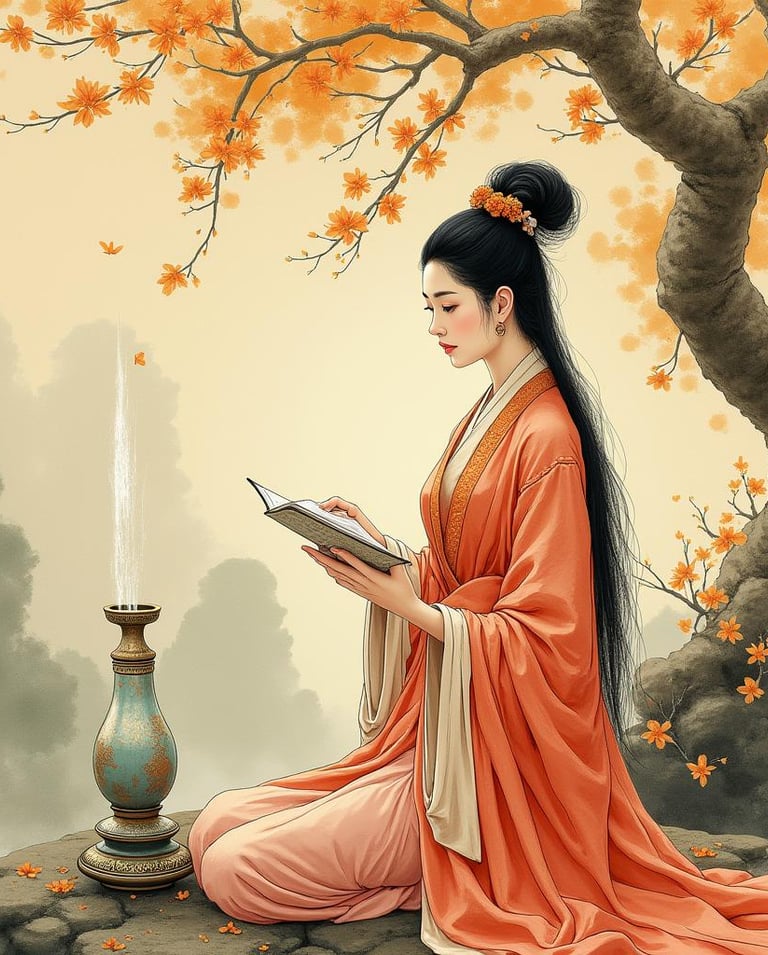
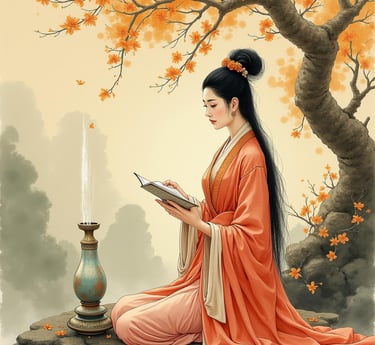
Celebrating the timeless elegance of ancient Eastern ladies through thoughtful dance and poetic storytelling. The portrayal of ancient Oriental ladies in water ink painting often exudes grace and delicacy. Artists take fluid brushstrokes to create soft outlines and ethereal beauty, capturing the essence of Eastern ladies in a manner that highlights both physical appearance and inner qualities.
The flowing garments and intricate details of traditional attire reflect the social status and cultural significance of females during the periods depicted. These paintings often feature ladies adorned in silk robes, with accessories such as delicate hairpins and elaborate hairstyles, symbolizing elegance and refinement.
The artist Ms. Pine Zz in my family painted the Eastern ladies who were engaged in activities that reflect Easter values, such as poetry, music, or the art of tea. These scenes evoke a sense of tranquility and contemplation, aligning with the philosophical ideals of harmony and balance prevalent in Eastern thought.
150+
15
Loved by many
5 stars
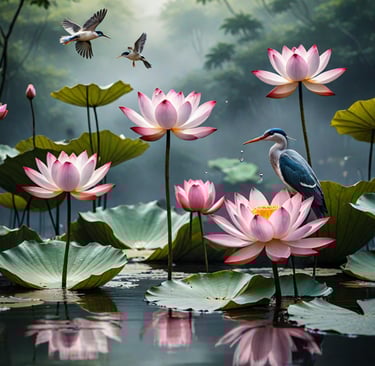
Water Painting of Nature Scenes
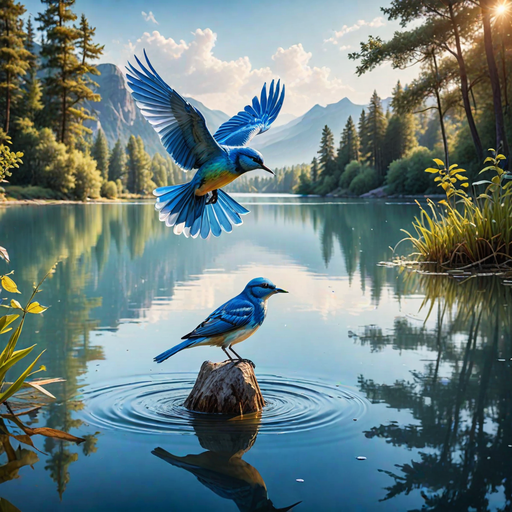
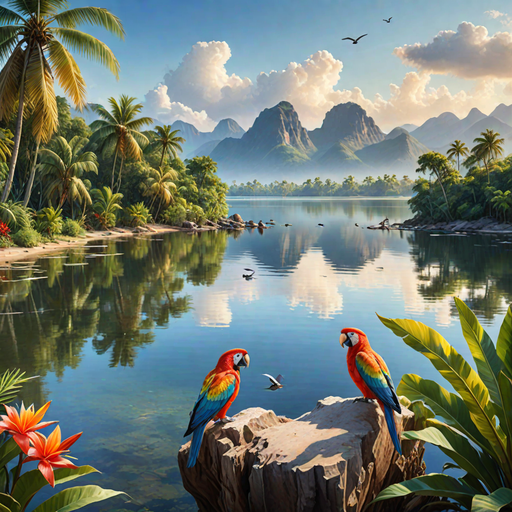
Water ink painting, a time-honored and revered art form originating from East Asia, encapsulates the essence of nature through its delicate brushwork and fluid strokes. This traditional technique, often associated with Eastern artistic heritage, beautifully articulates themes of harmony, beauty, and the interconnectedness of life. Among the most popular subjects in water ink painting are birds, flowers, and natural scenes, each serving not only as a visual delight but also as profound symbols within the context of the culture from which they originate. Birds, as subjects in water ink painting, embody various qualities and cultural meanings. They represent freedom, grace, and aspiration. Species such as the crane and phoenix are especially significant; cranes symbolize longevity and fidelity, while the phoenix stands for rebirth and transformation.
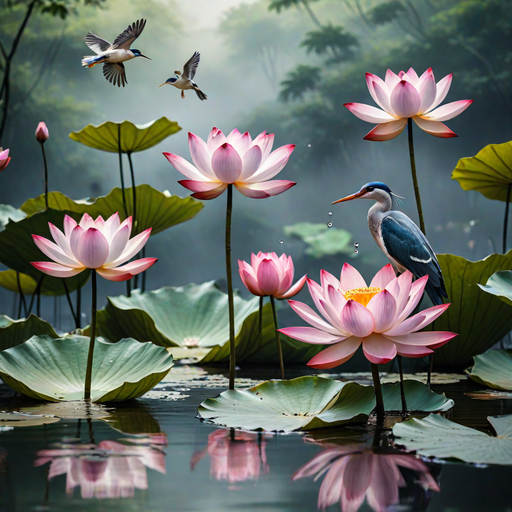
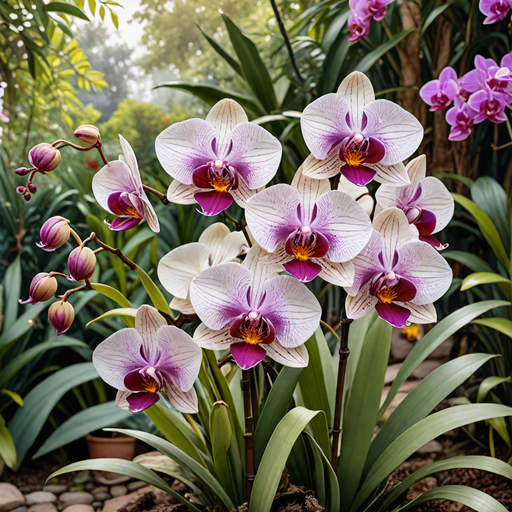
Flowers play an equally vital role in water ink painting, symbolizing beauty, purity, and the cycles of life. The lotus, revered in many Eastern philosophies, represents spiritual awakening and purity, often emerging from muddy waters to bloom in exquisite beauty. Cherry blossoms, with their fleeting existence, evoke feelings of nostalgia and the ephemeral nature of beauty. In water ink paintings, flowers are not merely decorative; they encapsulate deeper philosophical themes, inviting viewers to contemplate the harmony between life’s beauty and its transience. The nuanced use of color and shading brings these floral subjects to life, making them a focal point in the overall composition.
Ms. Jade Zy, in my family, produced the artwork with natural scenes in water ink painting, often serving as a backdrop for the interplay between birds and flowers, creating a harmonious landscape that embodies the artist's vision of the natural world.



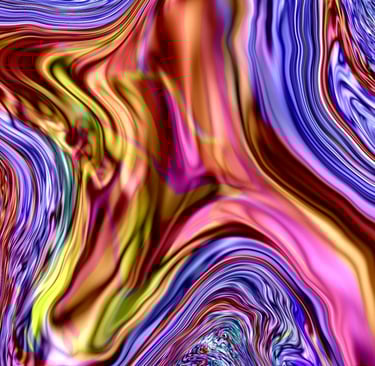
Abstract Art with Light Effect
Abstract art, by its very nature, challenges conventional representations and invites viewers to engage with the essence of human experience. One of the most evocative themes within this genre is light—a multidimensional element that not only illuminates physical spaces but also symbolizes deeper philosophical concepts. Through the interplay of color, shape, and texture, abstract artists explore the transformative qualities of light, reflecting on existence, perception, and the nature of reality.
The use of light in abstract art often transcends mere visual representation. Artists manipulate light and shadow to create a dynamic interplay that evokes emotion and thought. In this context, light becomes a metaphor for consciousness—shaping perceptions and illuminating the complexities of the human experience. The viewer is not just a passive observer but an active participant who engages with the nuances of the artwork, reflecting their own thoughts and feelings.
Ms. Pearl Yz paints the abstract art pieces to articulate the worldwide phenomena through the theme of light that enriches both visual experience and philosophical inquiry, encouraging viewers to question their perceptions and expand their understanding of reality, to unleash human potential.

Harmony in Nature
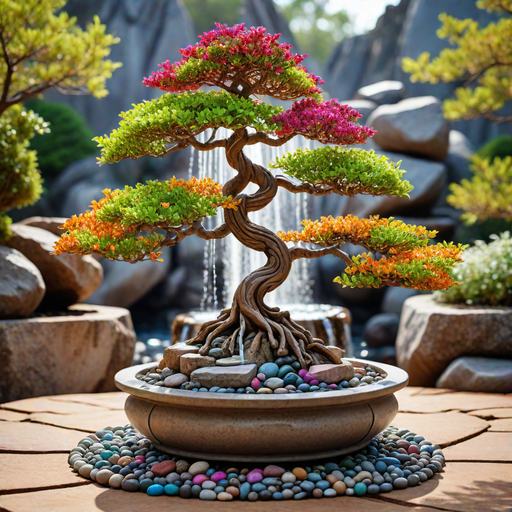
Bonsai, the ancient art of cultivating miniature trees, embodies a profound appreciation for nature and a deep philosophical connection to the natural world. Originating in East Asia, bonsai transcends mere horticulture; it is a spiritual practice that captures the essence of nature’s harmony in a refined, artistic form. Through its principles of balance, proportion, and aesthetic simplicity, bonsai serves as a powerful symbol of tranquility and mindfulness.
The principles governing bonsai design are deeply rooted in Eastern aesthetics and philosophy. The careful attention paid to the tree's roots and the selection of complementary elements, like stones or moss, reinforces the idea that each bonsai is part of a larger ecosystem. This holistic perspective fosters a sense of unity and balance, reinforcing the notion that humans are intertwined with nature rather than separate from it.
Ms. Ruby Zm's Bonsai designs embody principles of balance, mindfulness, and cultural heritage, not only enhancing our appreciation of the natural world but also inviting us to reflect on our own place within it, enhancing a deeper sense of tranquility and interconnectedness.

150+
15
Loved Worldwide
5 Stars
Our Journey
For decades, our family has poured mind and soul into every brushstroke, crafting stories through vibrant colors and textures. Eastern art is steeped in centuries of history, including dynastic changes, diverse styles, and cultural exchanges. This background infuses artists in our family with a sense of true understanding and continuity, often reflected in our works.
Roots
Family Traditions
Art passed down, evolving with each generation. The cultural roots of our families are deeply intertwined with historical, philosophical, and artistic theme. These influences shape our practices and contribute to the broader landscape of art across the different art categories.

Creative Growth
Artistic expression influences the world. By honoring our rich heritage while embracing contemporary challenges, the artists in our family continue to enrich the art world with our unique perspectives and innovations.
Get in Touch
Questions or commissions? We’d love to hear from you.

